
Does air conditioning work in cold weather?
Yes. Most UK split systems heat down to -15C outside, and premium models to -20C or -25C. Output falls as the temperature drops, so a unit badged 3.5kW may give 2.6kW at -7C. Here is what the defrost cycle does, why the outdoor unit steams, what heat costs in a cold snap, and the three figures to ask for before you buy.
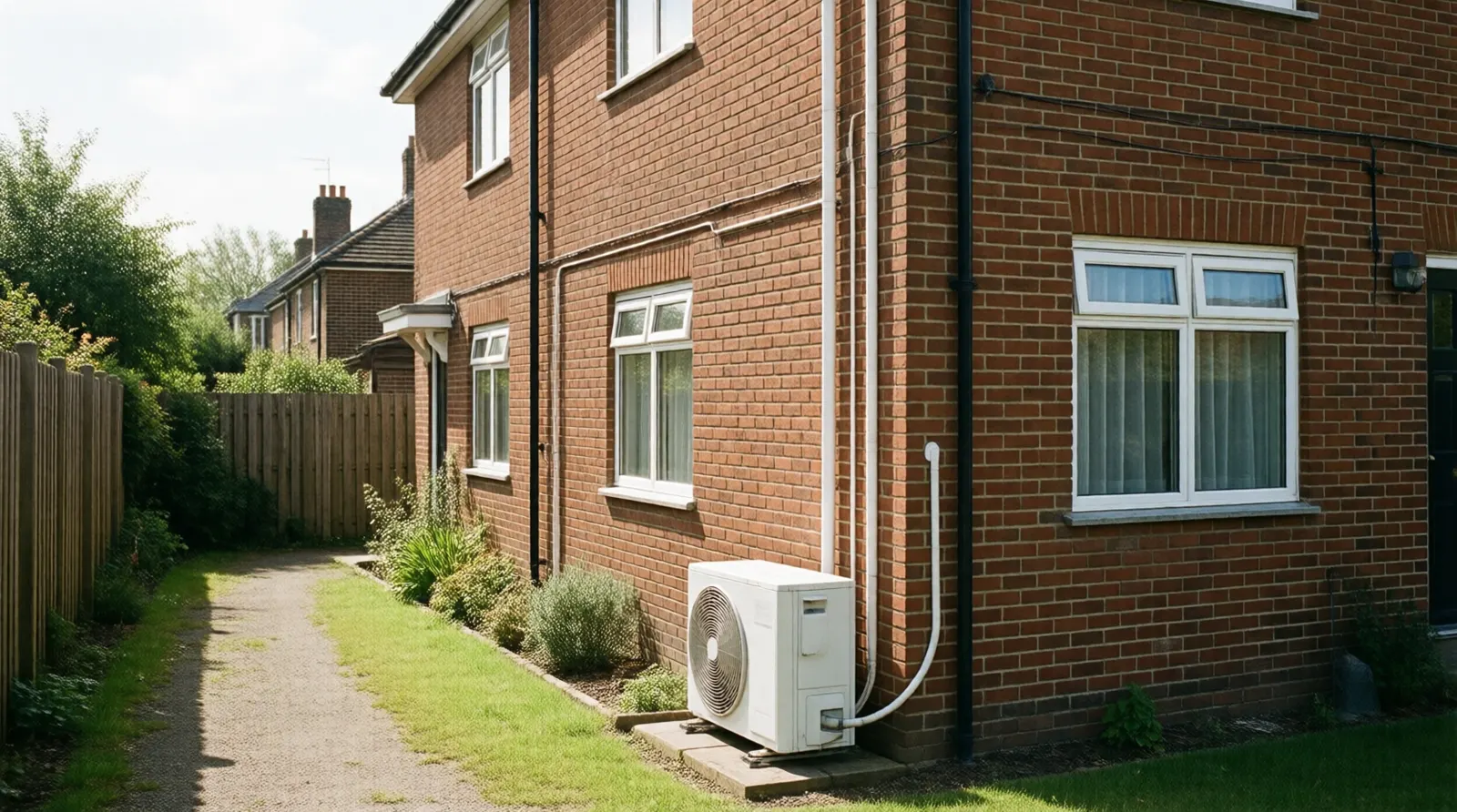
Air conditioning heats in cold weather. A standard UK split system keeps working down to about -15C outside, and premium models carry on to -20C or -25C. What changes is the output: a unit badged 3.5kW may deliver nearer 2.6kW on a frosty morning.
That matters in November, because this is the month people switch to heat mode for the first time and start comparing what they feel against what the box said.
The number on the box is measured at 7C
Manufacturers publish heating capacity at 7C outside. It is a fair average for a UK winter day, and it is not the morning you care about.
Three figures sit in the data sheet instead of one:
- Rated heating output at 7C, which is the headline number.
- Output at 2C, which covers most of a North West winter.
- Output at -7C, which covers the cold snap.
A 3.5kW wall unit typically gives around 2.6kW at -7C. Lose a quarter of the output on the coldest week of the year and an undersized unit runs flat out and still misses the setpoint. Size on the low-temperature figure and the same room holds 21C without strain. Our sizing guide sets out the calculation a good installer runs.
What the defrost cycle does
On heat mode the outdoor coil runs colder than the outside air. Moisture in the air condenses on it, and below about 5C that moisture freezes.
Ice blocks airflow, so the unit clears it. It reverses briefly, sends warm refrigerant out to the coil, and melts the frost off. The cycle runs every 40 to 90 minutes in damp weather near freezing, and takes three to ten minutes.
You notice three things while it happens. The fan stops. The indoor unit blows cool air or nothing at all, because the heat is going outside. And the outdoor unit releases a cloud of steam.
None of that is a fault. Good units blank the indoor fan rather than pushing cold air at you, which is one of the differences between brands at the same capacity. Damp air near 2C triggers more defrosts than dry air at -5C, so a mild wet January morning can cycle more often than a hard frost.
The steam and the puddle are normal
Melted frost has to go somewhere. An outdoor unit on heat mode can shed a litre or two of water an hour.
Plan for it at the survey. The unit wants raising 100mm to 300mm off the ground on feet, a pad or wall brackets, so melt water runs away and settled snow stays clear of the coil. Drain the water to a gully or a border, not across a path or a doorstep where it freezes overnight. Keep the unit out from under a gutter or a dripping roof edge.
The steam surprises neighbours more than it surprises owners. It is water vapour, it lasts a few minutes, and it carries no smell. The compressor and fan noise is the thing worth siting carefully, and our post on air con noise gives the decibel figures.
What heat costs when it turns cold
A split system moves heat rather than making it, so the cost per unit of heat tracks the outside temperature.
At 7C a decent inverter unit returns around 3.5 units of heat per unit of electricity. At 2C that falls to about 3. At -7C, with defrost cycles taking their share, expect nearer 2.5. On a 24p single rate tariff that works out as:
- Mild November weather: roughly 7p per kWh of heat.
- Frosty morning: 10p to 12p per kWh of heat.
Direct electric heating costs the full 24p per kWh in every kind of weather, and gas sits around 6.5p to 7p at the meter before boiler losses. So air con stays close to gas on a mild day and beats any electric radiator in a cold snap. The heating running costs guide works the comparison through, and the storage heater swap shows the numbers over a full winter.
Two habits cost more than the weather does. Opening a window to cool an overheated room wastes the lot. And switching the unit on and off through the evening forces repeated warm-ups, where holding a steady setpoint lets the inverter idle at low power.
Three questions to ask before you buy
Specify for the cold week, not the average one.
- What is the heating output at -7C, in kilowatts? A number from the data sheet, not a reassurance.
- What is the lowest outside temperature the unit heats at? Look for -15C or better.
- What is the SCOP, the seasonal figure across a whole heating season? Above 4.0 is good for a wall unit, and anything near 5.0 is strong.
Check that the heating capacity at least matches the cooling capacity, because budget units sometimes skimp on the heat side. Ask about a base pan heater on an exposed site, which stops melt water refreezing in the tray. An installer who cannot produce these figures is quoting from a price list rather than a survey.
A single room costs £1,800 to £2,800 fitted including VAT, and two rooms sharing one outdoor unit £3,500 to £5,500.
Get a price for your home
Fill in the quote form and say which rooms you want heated as well as cooled, and how exposed the outside wall is. Up to three vetted North West installers survey the property and come back with a fixed price within 24 hours.
See the prices page for the full table, or email us if you want a second opinion on a quote you already hold.
Common questions
Does air conditioning still heat when it is freezing outside?+
Yes. A standard UK split system keeps heating down to about -15C outside, and premium models carry on to -20C or -25C. North West winters rarely drop below -5C, so the limit is almost never the problem. Falling output is what you plan for, not a cut-off.
How much heat do you lose in a cold snap?+
Roughly a quarter to a third of the rated figure. Heating capacity is published at 7C outside, so a unit badged 3.5kW may deliver about 2.6kW at -7C. Ask for the data sheet figure at 2C and at -7C and size the unit on those, not on the number on the box.
Why is my outdoor unit steaming and dripping?+
Both are normal on heat mode. The outdoor coil runs colder than the air, so moisture condenses on it and freezes. Every 40 to 90 minutes the unit melts that ice off, which produces steam for a few minutes and a litre or two of water. Make sure the water drains away from a path or a doorstep.
Is air conditioning still cheap to run in winter?+
Yes, though less cheap than in mild weather. A split system returns about 3.5 units of heat per unit of electricity at 7C and nearer 2.5 at -7C, so heat costs around 7p per kWh in November and 10p to 12p in a hard frost on a 24p tariff. Direct electric heating costs the full 24p whatever the weather.
Does cold weather damage the outdoor unit?+
No. The unit is built to sit outside all year. Raise it 100mm to 300mm off the ground on feet or wall brackets so melt water drains and settled snow stays clear of the coil, and keep the airflow path open on all sides.
Ready for a real quote?
Get up to 3 fixed prices from vetted North West installers.
Air conditioning quotes near you
Local price guides and installer coverage across the North West.
More on Guides
Can you take air conditioning with you when you move house?
A fitted split system counts as a fixture, so it stays with the house unless you exclude it in writing before contracts. Here is what a strip-out and refit really costs against a fresh install, why the warranty does not travel, why the old pipework rarely fits the next house, and what to check if you are buying a home that already has air con.
Does air conditioning affect your home insurance?
A fitted split system rarely moves your premium, but it does belong on your insurer's record. Here is why a wall-mounted condenser is usually covered as part of the building while a ground-mounted one may not be, what the property in the open limit means, which paperwork settles a claim, and how much an install adds to your rebuild figure.
Can you buy your own air conditioning unit and pay someone to fit it?
Some installers will fit a unit you supplied. Most refuse, and the ones who agree charge a labour-only rate that leaves you £200 to £500 ahead on a job that costs £1,800 to £2,800 fitted. Here is why installers say no, what the November sale listings hide, and the one case where supply-only genuinely works.